Heel Pain Can Be Treated!

Do you suffer from heel pain when you get up in the morning? If so, you should seek professional help and have a proper diagnosis performed. Heel pain can be caused by several different foot-related conditions.
West Loop: (312) 612-5000 | Ashburn: (855) 669-5347

Do you suffer from heel pain when you get up in the morning? If so, you should seek professional help and have a proper diagnosis performed. Heel pain can be caused by several different foot-related conditions.

Do you work on your feet all day and find your feet in pain? Don’t go to work in pain each day. Your foot pain can be treated, and we can help.

Excess body weight can lead to foot pain by placing continual pressure on the feet, toes, and ankles. People with a higher body mass index, or BMI, are more likely to experience conditions like plantar heel pain, flat feet, and limited ankle movement. Extra fat mass also has been shown to affect foot posture, often…
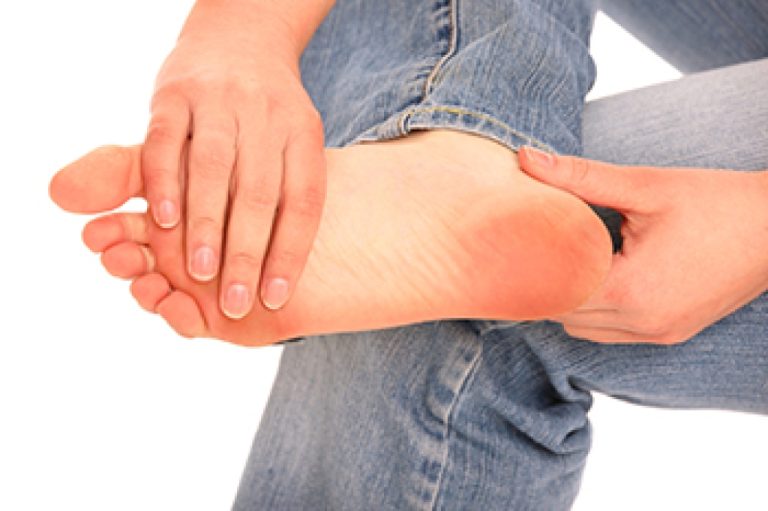
Metatarsalgia causes pain and inflammation in the ball of the foot, often described as a burning, aching, or a sharp sensation beneath the toes. It may feel like standing on a pebble or sharp object, especially during walking or running. Causes include high-impact activities, improper footwear, excess weight, or wearing high heels. Symptoms may worsen…
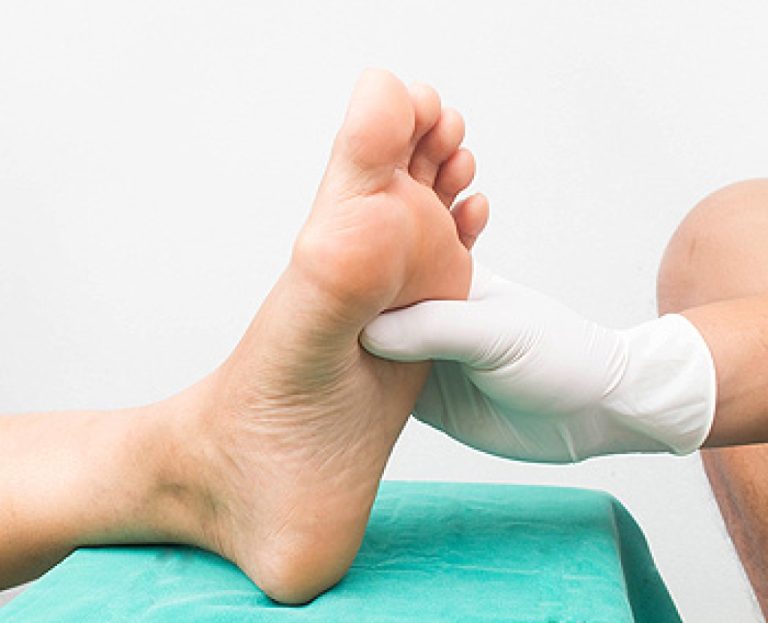
Diabetic patients face several risk factors that can impact foot health, including poor circulation and high blood sugar levels that can lead to nerve damage. Preventing nerve damage involves maintaining good blood sugar control through a balanced diet, regular exercise, and prescribed medications. Regular foot care is essential for diabetic patients to prevent complications. Daily…

Heel pain can negatively affect your day-to-day life. Simple activities like walking can become incredibly uncomfortable or painful due to heel pain. Don’t live with heel pain and get treated.

Red feet in elderly individuals can be indicative of several underlying health issues. One common cause is peripheral artery disease, where reduced blood flow leads to inflammation and redness. Venous insufficiency is another condition where poor circulation results in blood pooling and skin discoloration. Diabetes can also cause red feet due to poor blood circulation…