Heel Pain in the Morning?

Heel pain can negatively affect your day-to-day life. Simple activities like walking can become incredibly uncomfortable or painful due to heel pain.
Don’t live with heel pain and get treated.
West Loop: (312) 612-5000 | Ashburn: (855) 669-5347

Heel pain can negatively affect your day-to-day life. Simple activities like walking can become incredibly uncomfortable or painful due to heel pain.
Don’t live with heel pain and get treated.
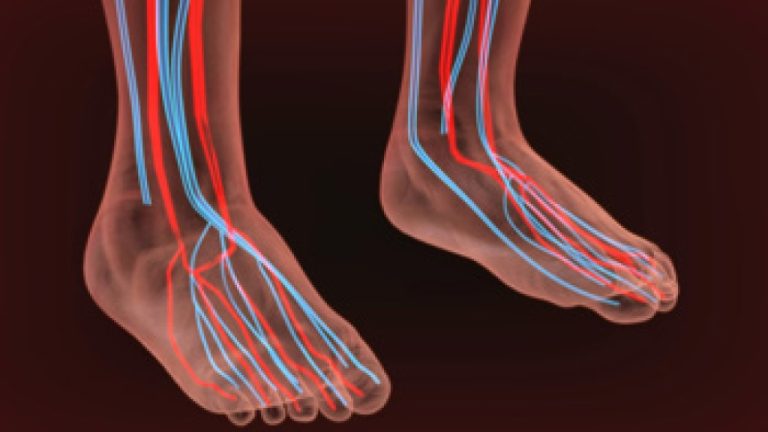
Poor circulation in the feet can cause coldness, numbness, swelling, and fatigue that make daily movement uncomfortable. Improving blood flow begins with simple habits that encourage the vessels to work more efficiently. Regular movement helps tremendously, even gentle activities like walking, ankle rotations, or stretching throughout the day. These actions activate the muscles that naturally…
Gout is a type of arthritis caused by the buildup of uric acid crystals in the joints, most commonly affecting the big toe. Symptoms include sudden, intense pain, swelling, redness, warmth, and stiffness, often disrupting daily activity and mobility. Risk factors include genetics, obesity, excessive alcohol consumption, high-purine diets, and certain medical conditions such…
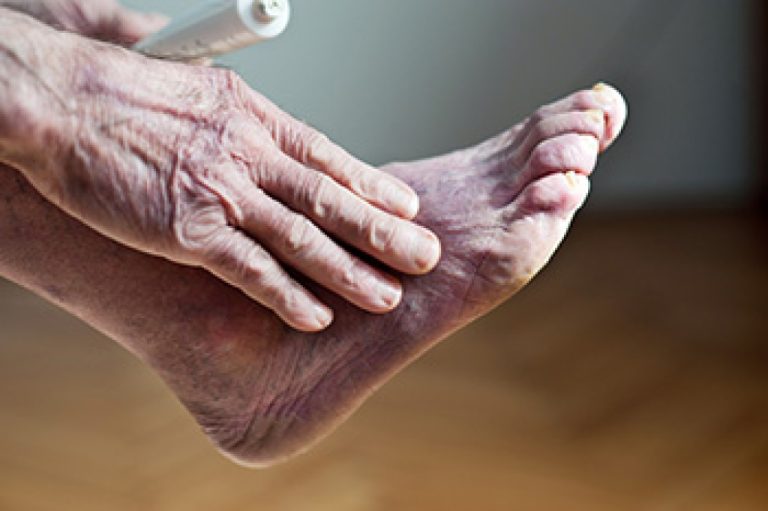
Poor foot circulation, often referred to as peripheral artery disease, or PAD, can stem from various factors, affecting the flow of blood to the lower extremities. One common cause is atherosclerosis, where arteries become narrowed and hardened due to the buildup of plaque, restricting blood flow. Other contributing factors include diabetes, obesity, smoking, high cholesterol,…

Ankle arthroscopy represents a minimally invasive surgical procedure used to diagnose and treat a variety of ankle joint problems. Through small incisions, a podiatrist inserts a tiny camera, called an arthroscope, into the ankle joint, allowing for a detailed examination of its structures. This procedure offers several advantages over traditional open surgery, including smaller incisions,…

An ankle sprain, though common, can be a real setback, disrupting mobility and causing discomfort. It occurs when the ligaments that support the ankle are stretched or torn, often due to sudden twisting or rolling movements. Symptoms can include pain, swelling, bruising, and difficulty bearing weight on the affected ankle. Recovery from an ankle sprain…

Plantar fasciitis is one of the most common causes of heel pain. It happens when the thick band of tissue that connects the heel to the toes becomes irritated or strained. This band, called the plantar fascia, helps support the arch of the foot. When it becomes inflamed, it can cause sharp pain that is…