
Blog

  • Ankle Injuries

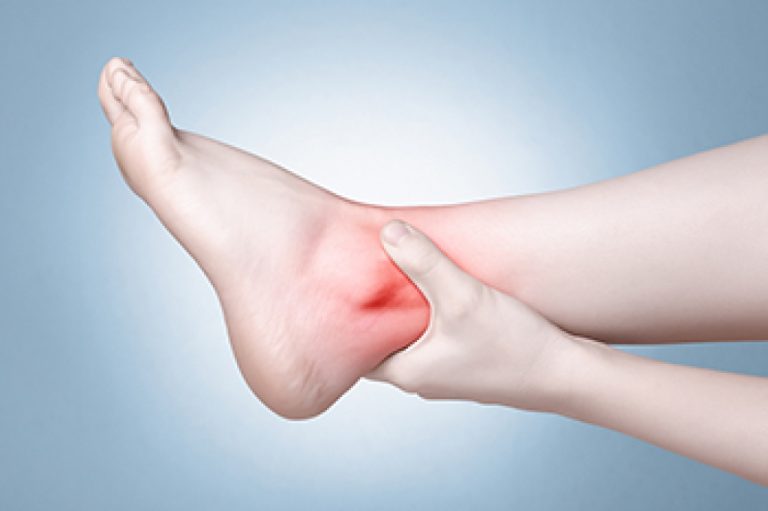
    Ankle injuries are common, with sprains being the most frequent. Understanding ankle anatomy and injury mechanisms is important. An examination involves assessing deformity, swelling, and tenderness and checking circulation and sensation. Treatment focuses on stabilizing the ankle, reducing pain and swelling, and ensuring proper immobilization. Understanding the injury’s cause and conducting a thorough examination is…

  • Preventing Blisters While Running

    Blisters, though seemingly small, can wreak havoc on a runner’s performance and comfort. Prevention is key to ensuring an enjoyable and pain-free running experience. This can begin by investing in properly fitted running shoes. Ill-fitting shoes can rub against the skin, causing friction and blisters. Additionally, moisture-wicking socks help keep feet dry and reduce the…

  • Pain and Foot Fractures

    Treatment for a broken foot typically involves rest, elevation, and taking anti-inflammatory medications to manage pain and swelling. Healing times differ depending on the severity of the break. Symptoms also vary, including pain, difficulty moving the foot, and tenderness. Differentiating between a broken foot and a sprain can be challenging, but fractures generally result in…