It’s Time for Beautiful Feet

You don’t need an excuse to have beautiful nails. Step outside without worrying about the appearance of your feet.
West Loop: (312) 612-5000 | Ashburn: (855) 669-5347

You don’t need an excuse to have beautiful nails. Step outside without worrying about the appearance of your feet.
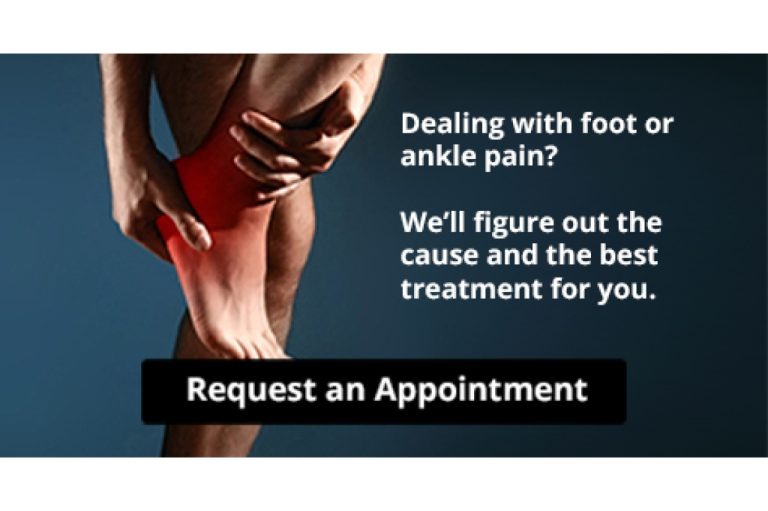
Foot or ankle pain can negatively affect your day-to-day life and can occur due to several different conditions. Pain can also be an indicator of a more serious underlying condition, which is why you should seek professional help as soon as you notice any abnormalities in your feet.

Custom orthotics, or shoe inserts, should be periodically replaced. Orthotics must fit properly to give you the best results. Protect your feet and ankles!
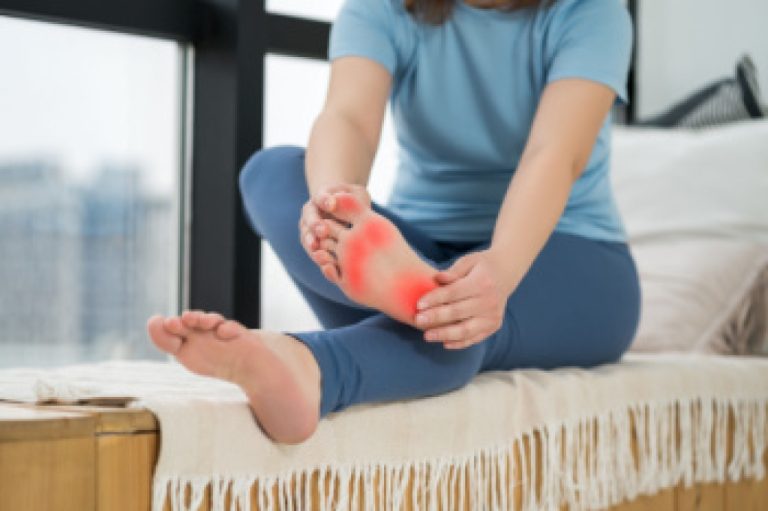
Plantar fasciitis, a common cause of heel pain, often results from strain on the plantar fascia, a thick band of tissue that supports the foot’s arch. Various risk factors can contribute to plantar fasciitis, including excessive foot pronation, where the foot rolls inward too much, or high arches that put extra stress on the fascia….
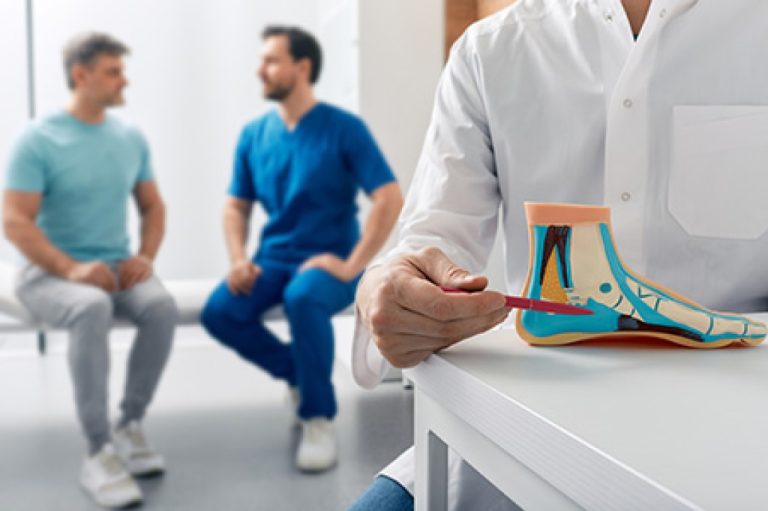
Podiatry is a branch of medicine focused on the diagnosis, treatment, and prevention of conditions affecting the feet and lower limbs. A podiatrist is a healthcare professional trained to manage a wide range of foot-related issues, offering both medical and surgical care. Common conditions treated by podiatrists include corns, which are thickened areas of skin…
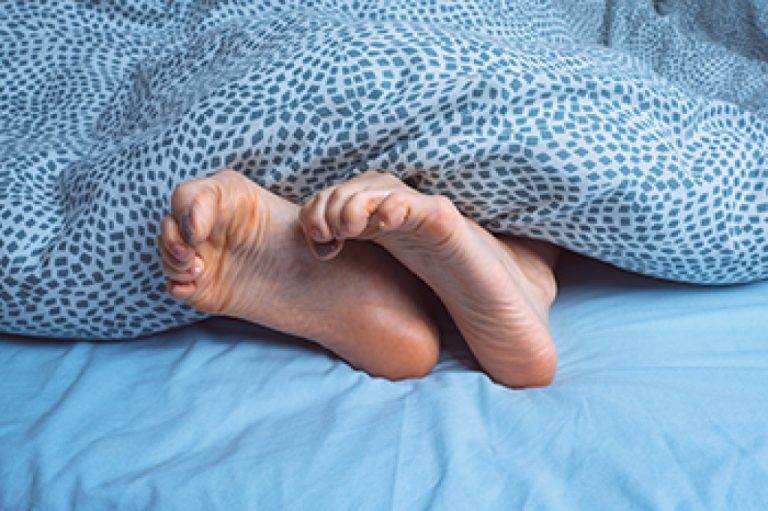
Foot cramps are sudden, involuntary contractions of the muscles in the foot that can cause sharp pain and discomfort. They often occur due to wearing tight or poorly fitting shoes, dehydration, overexertion during physical activity, or low levels of essential minerals such as potassium, calcium, or magnesium. Symptoms include a sudden tightening or knotting of…
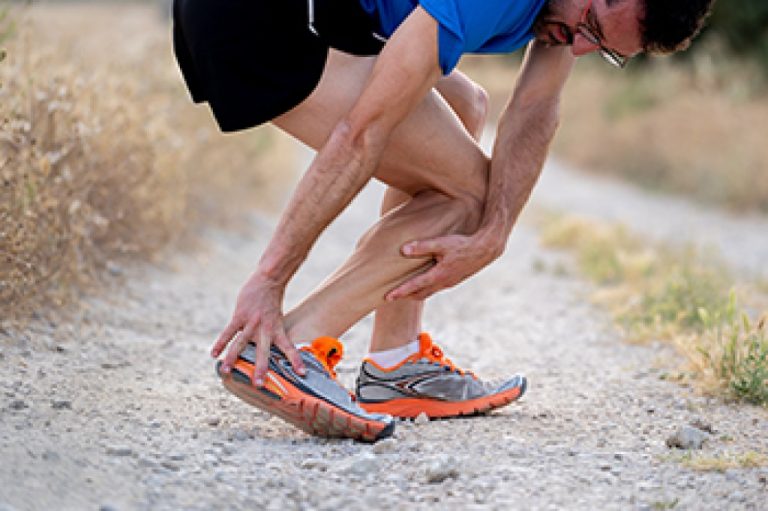
Plantar heel pain in athletes is often caused by repetitive stress on the plantar fascia, the thick band of tissue supporting the arch of the foot. Other factors include overuse, sudden increases include training intensity, or improper footwear. The biomechanical demands of sports such as running, basketball, and soccer place continuous strain on the foot,…