Let the Expert Treat Your Ingrown Toenails

Ingrown toenails can be painful and can make wearing shoes or walking uncomfortable. Seek professional help if you believe you’ve developed an ingrown toenail and be treated safely.
West Loop: (312) 612-5000 | Ashburn: (855) 669-5347

Ingrown toenails can be painful and can make wearing shoes or walking uncomfortable. Seek professional help if you believe you’ve developed an ingrown toenail and be treated safely.
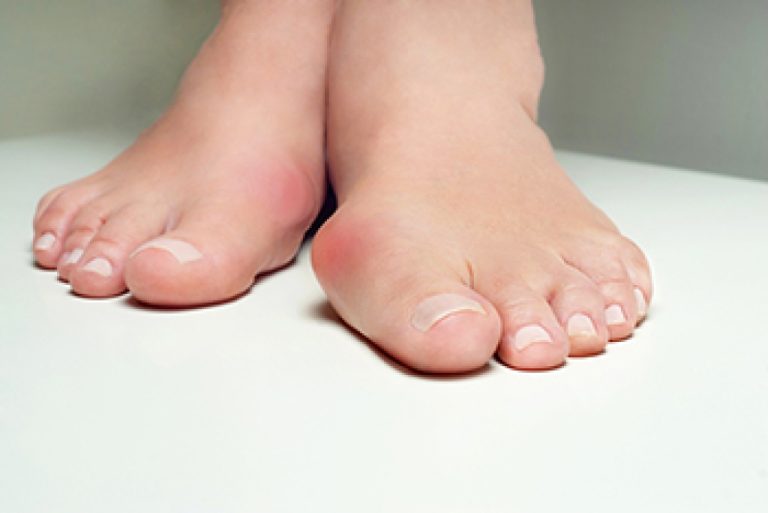
Bunions, characterized by a bony bump on the side of the big toe, are often caused by genetic factors, wearing ill-fitting shoes, or excessive foot pressure. The condition arises when the big toe deviates towards the second toe, leading to a misalignment at the joint. Symptoms typically include pain, swelling, and redness surrounding the affected…

A broken toe can result from sudden trauma or excessive pressure on the foot. Stubbing the toe against a hard surface is a common cause, as the force can easily fracture the small bones. Dropping heavy objects on the foot can also lead to a break, especially if the impact is strong enough to damage…

Athlete’s foot is a skin infection that thrives in damp, enclosed spaces like sweaty socks and tight shoes. It often begins between the toes with itching, redness, or flaking and can spread if not treated promptly. The condition is caused by a fungus that loves warm, moist environments, which makes locker rooms, public showers, and…
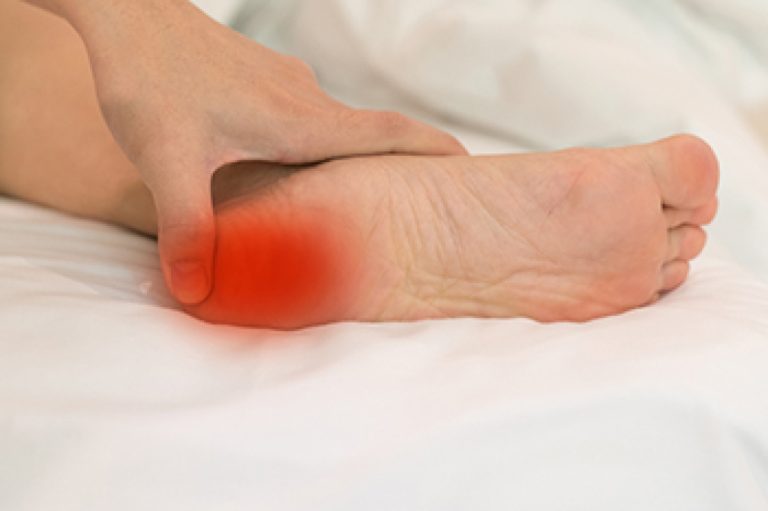
Sever’s disease is a common cause of heel pain in growing children, particularly affecting those between the ages of eight and 14. It occurs due to inflammation of the growth plate in the heel, known as the calcaneal apophysis. This condition is often triggered by repetitive physical activities such as running, jumping, or sports that…
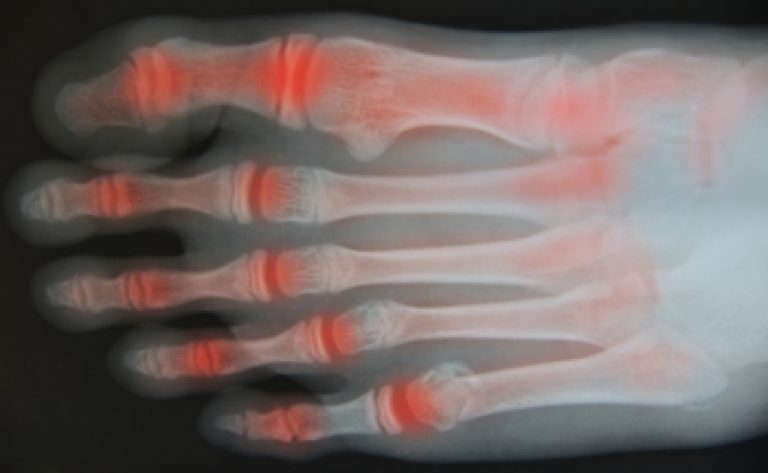
Arthritis, a condition characterized by inflammation and stiffness in the joints, can significantly impact one’s quality of life. While medications and therapies are commonly prescribed to manage arthritis symptoms, the power of exercise in providing relief cannot be overstated. Regular physical activity helps to maintain joint flexibility, strengthen muscles surrounding the joints, and improve overall…

Toenail fungus is an infection that commonly affects the toenails. It occurs when fungi invade the nail bed, leading to discoloration, thickening, and deformity of the nails. One of the most noticeable symptoms of toenail fungus is the gradual change in the appearance of the affected nails, which may turn yellow, white, or brown, and…