What to Expect From Morton’s Neuroma Surgery
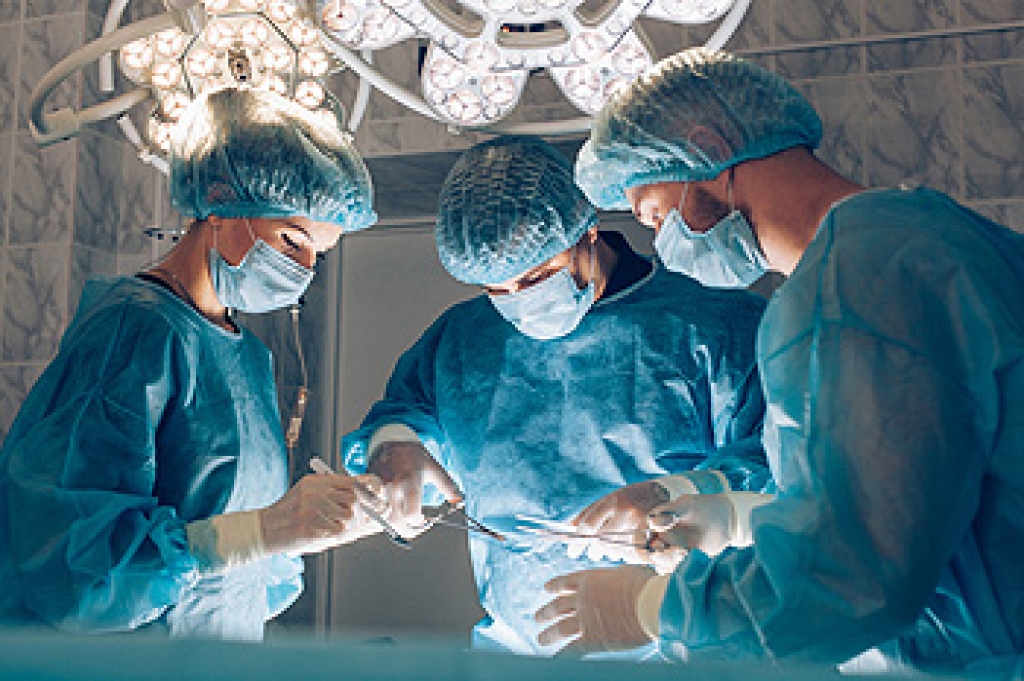
Morton’s neuroma is a painful condition caused by a thickened nerve between the toes, often triggered by irritation or pressure. When conservative treatments do not provide relief, foot surgery may be recommended to remove the affected nerve or release the surrounding tissue. Surgery offers long-term pain relief and allows many patients to return to normal activities without discomfort. The procedure is typically performed on an outpatient basis and has a high success rate. Recovery usually involves rest, limited weight-bearing, and a gradual return to walking, over several weeks. Swelling and tenderness are normal during healing, but improve with time. A podiatrist can determine if surgery is the best option and guide you through recovery. If you have ongoing forefoot pain, it is suggested that you consult a podiatrist for expert care and appropriate treatment options.
Foot surgery is sometimes necessary to treat a foot ailment. To learn more, contact one of our podiatrists of Ankle N Foot. our doctors will assist you with all of your foot and ankle needs.
When Is Surgery Necessary?
Foot and ankle surgery is generally reserved for cases in which less invasive, conservative procedures have failed to alleviate the problem. Some of the cases in which surgery may be necessary include:
- Removing foot deformities like bunions and bone spurs
- Severe arthritis that has caused bone issues
- Cosmetic reconstruction
What Types of Surgery Are There?
The type of surgery you receive will depend on the nature of the problem you have. Some of the possible surgeries include:
- Bunionectomy for painful bunions
- Surgical fusion for realignment of bones
- Neuropathy decompression surgery to treat nerve damage
Benefits of Surgery
Although surgery is usually a last resort, it can provide more complete pain relief compared to non-surgical methods and may allow you to finally resume full activity.
Surgical techniques have also become increasingly sophisticated. Techniques like endoscopic surgery allow for smaller incisions and faster recovery times.
If you have any questions, please feel free to contact our offices located in Chicago, Elmhurst, Bartlett, IL and Chicago, IL . We offer the newest diagnostic and treatment technologies for all your foot care needs.